Up@dawn 2.0

Tuesday, January 22, 2019

Life Support Measures


Medical advances have greatly impacted our lifespan, quality of living and our ability to prevent, detect, maintain and cure various illnesses. Copious amounts of money are spent on the development of new technologies and conducting research to further understand disease and if not to cure it, to allow us a somewhat comfortable life with whatever illness afflicts us. However, medicine has opened new avenues and opportunity for ethical dilemmas to arise. Innovations in life support have allowed us to prolong someone’s life for an extended amount of time even when they are unconscious, brain dead or afflicted with a lifelong debilitating illness. In my experience, many people voice their desire to avoid these life sustaining measures. Gregory Pence voiced that same sentiment when he referred to life support machines as “an oppressive medical technology that prolongs dying”. The medical community will only continue developing this “oppressive medical technology” and the need for more and more individuals who understand ethical theory will be needed to balance these advances.

Most hospitals have ethics committees that can be consulted in sensitive issues about patient care and life support. At the hospital where I am employed, there is an ethics committee who will become involved when called upon by a physician or the nursing staff. However, I am unaware of any type of information or training that educates the staff on when the ethics committee should be called in and how one would go about that process. I am curious of how active the ethics committee is in the hospital setting and whether they have a general understanding of ethical theory and a quality process in handling ethical dilemmas.

Questions for thought:

Do you agree with philosopher Gregory Pence’s viewpoint that life support can be an oppressive medical technology?

What requirements should an individual have to be on an ethics committee?

How many individuals should be on the committee?

Resources and informative articles:

AMA Journal of Ethics: “ Why Did Hospital Ethics Committees Emerge in the US”


AMA: “Ethics Committees in Health Care Institutions”


CRISPR Gene Editing

Prof. Oliver beat me to the punch regarding talking about Dr. Jiankiu, but I wanted to write my weekly report on it so I figured I'd bring it up anyway.

https://m.scmp.com/news/china/science/article/2182964/china-confirms-gene-edited-babies-blames-scientist-he-jiankui

The fact that this is, presuming these assumptions are correct, now no longer science fiction is simply baffling to me. It makes me wonder, even though this doctor will most likely be reprimanded for his actions, what kind of ethical applications could this be used for? In this article, it Dr. Jiankiu is chastised for his application of the CRISPR software to mitigate the potential of the HIV disease in babies, not due to its lack of usefulness, but because of his misguided motives. The article describes the gene for HIV resistance to be fairly simple, and explains his task to be a reach for "low-hanging fruit," in the sense that he easily could have chosen to target a different gene with a more world wide application, and did this simply because he could. For example, targeting genes to ensure that the child is not born with a severe mental disease, such as autism, would be a more universally relevant application of this technology, as it has a relatively equal chance of affliction towards any child. HIV is something that can be avoided through lifestyle choices, and therefore is not nearly as important, or even ethically administrable in the field of medicine.

That being said, I believe that this is a fantastic advancement in the field of medicine. Although Dr. Jiankiu went about this some would say the wrong way, I honestly believe that he is regardless a visionary, perhaps a reckless one at that, that sees a bigger future for all of us. While what he did went against federal regulations and is and should be deemed unethical, knowing that our genetics can be altered for the greater good is, in my opinion, better than us all sitting around, asking the question, "What if?" Perhaps I may be a bit biased, since it does not directly affect the rest of us across the ocean, but I believe that what Dr. Jiankiu accomplished was a necessary evil in the advancement of medicine. As far as the health of the babies, that is still to be determined, but barring they are not adversely affected by this genetic editing, this has the potential to bring about good.

Friday, January 18, 2019

The Insulin Wars and other health news

Your comments welcome.
==
How insurance companies farm out their dirty work to doctors and patients.

“Doctor, could you please redo my insulin prescription? The one you gave me is wrong.” My patient’s frustration was obvious over the phone. She was standing at the pharmacy, unable to get her diabetes medication.

We had gone through this just the week before. I’d prescribed her the insulin she’d been on, at the correct dosage, but when she showed up at her pharmacy she learned that her insurance company no longer covered that brand. After a series of phone messages back and forth, I’d redone the prescription with what I’d thought was the correct insulin, but I was apparently wrong. Again.

Between 2002 and 2013, prices tripled for some insulins. Many cost around $300 a vial, without any viable generic alternative. Most patients use two or three vials a month, but others need the equivalent of four. Self-rationing has become common as patients struggle to keep up. In the short term, fluctuating blood sugar levels can lead to confusion, dehydration, coma, even death. In the long term, poorly controlled diabetes is associated with heart attacks, strokes, blindness, amputation and the need for dialysis.

The exorbitant prices confound patients and doctors alike since insulin is nearly a century old now. The pricing is all the more infuriating when one considers that the discoverers of insulin sold the patent for $1 each to ensure that the medication would be affordable. Today the three main manufacturers of insulin are facing a lawsuit accusing them of deceptive pricing schemes, but it could be years before this yields any changes... (continues)
==

Scientist Who Edited Babies’ Genes Is Likely to Face Charges in China

HONG KONG — A Chinese scientist who claimed to have created the world’s first genetically edited babies “seriously violated” state regulations, according to the results of an initial government investigation reported on Monday by Chinese state media.

The investigators’ findings indicate that the scientist, He Jiankui, and his collaborators are likely to face criminal charges.

Dr. He shocked the world in November when he announced that he had used Crispr, a powerful gene-editing technique, to alter the genes of human embryos. He produced some data but no definitive proof during his presentation at an international conference in Hong Kong.

The investigation found that Dr. He and his team had edited the genes of human embryos and then implanted the embryos in female volunteers, as he claimed last year. One volunteer gave birth to twin girls in November, and another volunteer is now pregnant, according to Xinhua, the Chinese state news agency... (continues)
==
Why Infants May Be More Likely to Die in America Than Cuba

Many Americans would welcome some traits of the island’s free, universal health care system.

HAVANA — Claudia Fernández, 29, is an accountant whose stomach bulges with her first child, a girl, who is due in April.

Fernández lives in a cramped apartment on a potholed street and can’t afford a car. She also gets by without a meaningful vote or the right to speak freely about politics. Yet the paradox of Cuba is this: Her baby appears more likely to survive than if she were born in the United States.

Cuba is poor and repressive with a dysfunctional economy, but in health care it does an impressive job that the United States could learn from. According to official statistics (about which, as we’ll see, there is some debate), the infant mortality rate in Cuba is only 4.0 deaths per 1,000 live births. In the United States, it’s 5.9.

In other words, an American infant is, by official statistics, almost 50 percent more likely to die than a Cuban infant. By my calculations, that means that 7,500 American kids die each year because we don’t have as good an infant mortality rate as Cuba reports... (continues)
==
Study Links Drug Maker Gifts for Doctors to More Overdose Deaths https://nyti.ms/2HiWfEP
==
How to Inoculate Against Anti-Vaxxers https://nyti.ms/2RRZ83y
==
Stuck and Stressed: The Health Costs of Traffic
The physical and psychological toll of brutal commutes can be considerable.

Sometimes the seemingly small things in life can be major stressors.

Nobody likes sitting in traffic, for example. According to one study, commuting is one of the least pleasant things we do. But it’s not just an annoying time waster — there’s a case that it’s a public health issue.

According to analysis by the Texas A&M Transportation Institute, the average American commuter spends 42 hours per year stuck in rush-hour traffic. In the Los Angeles area, the figure is nearly twice that, equivalent to more than three days. A 2015 Los Angeles Times pollfound that among residents of that city, traffic concerns exceed those pertaining to personal safety, finances or housing costs.

The total cost of traffic associated with lost time and wasted fuel exceeds $100 billion per year. As time slips away, idling vehicles add pollution, which has environmental and health consequences, including contributions to climate change. Long-term exposure to vehicle exhaust is associated with respiratory problems, especially in children.

Another toll is to psychological well-being, stemming from the sense of helplessness we experience in traffic, and its unpredictability. This, too, can be quantified. One study found that to save a minute of time spent in traffic, people would trade away five minutes of any other leisure activity. Another study found that we deal better with the commuting delays that we can anticipate... (continues)==
More in Health...

Quiz Jan 22

Post your alternative quiz questions, & claim a base for each. Post a 250+ word weekly essay & claim a RUN. Be thinking about a midterm report topic/text, we need to nail those down by Feb. 7 and some lucky someone will kick us off on Valentine's Day with a presentation and quiz. 

BB2 - Moral Theories
1. (T/F) In Anna's story, why did she wish not to be resuscitated?

2. Which theory has been dominant in bioethics and often used by many health professionals?

3. In deontological theory, what is the difference between hypothetical and categorical imperatives?

4. What ethical principle (and whose), in the name of rational consistency, absolute dutifulness, and mutual respect, "requires unconditional obedience and overrides our preferences and desires" with respect to things like lying, for example?

5. What would Kant say about Tuskegee, or about the murderer "at our door"?

6. What more do we want from a moral theory than Kant gives us?

7. What is the distinctive question in virtue ethics?

8. What Greek philosopher was one of the earliest exponents of virtue ethics?

9. What is the Harm Principle, and who was its author?

10. Name one of the Four Principles in Beauchamp and Childress's theories on biomedical ethics?


DISCUSSION QUESTIONS (Please post yours too, & claim a base for each)
  • In Anna's story, do you find yourself more concerned with the specifying and insisting on the respective duties of Anna, her physician, and the ethics committee dealing with her DNR request, or with its consequences? 
  • Do you consider yourself more an ethical consequentialist/utilitarian, pragmatist, deontologist, virtue ethicist, or none of the above? Is it possible to be ethically responsible without first clarifying and claiming your own theoretical ethical commitments? 
  • Do you agree with Peter Singer that the ethical choice which best serves the goal of minimizing pain and suffering requires ending lives?
  • Is a felicific calculus such as Jeremy Bentham proposed possible, or practical?
  • Would life in Huxley's Brave New World really be nightmarish and dystopian, if universal happiness were its result?
  • Kant's categorical imperative requires always treating individuals respectfully, as ends in themselves and never as means to any other social or collective good. Can you imagine any scenario in which it would be ethically correct to violate that imperative, in the name of medical progress or social welfare?
  • Is virtue ethics "elitist and utopian" in its quest to articulate the conditions of a good life and death for all? Are virtues and vices culturally relative? 36-7
==
"NIH adopts new rules on human research, worrying behavioral scientists"-WaPo... Health news in nyt...==
Theory and Bioethics
As a species of practical ethics, bioethics exhibits a complex and contested relationship to philosophical theory. On the one hand, many who teach and write in this interdisciplinary field are philosophers who naturally believe that their specific contribution to the field—their “expertise,” if you will—consists in the application of distinctly philosophical methods, including various kinds of ethical theory, to practical problems arising in biomedical research, clinical medicine, and public health. But on the other hand, many who work in the area of bioethics, including many philosophers, are highly skeptical of the so-called “applied ethics” model of moral reasoning, in which exemplars of high theory (e.g., consequentialist utilitarianism, Kantian deontology, rights-based theories, natural law, etc.) are directly “applied” to practical problems. Indeed, most philosophically-inclined contributors to the bioethics literature have eschewed high moral theory in favor of various modes of moral reasoning falling on a spectrum between the strong particularism of various strains of casuistry or narrative ethics, on one end, and the mid-level norms of the enormously influential “principlism” of Beauchamp and Childress, on the other (Beauchamp and Childress, 2009).[1] According to philosophers Robert K. Fullinwider (2008) and Will Kymlicka (1996), bioethics in the public domain can and should go about its business as a species of ethical reflection independently of any reliance upon high-flying ethical theory...

...bioethics has witnessed the emergence of several interesting varieties of anti-theory, including various strains or combinations of casuistry, narrative ethics, feminism, and pragmatism. Although each of these alternative methodological approaches features more moderate variants that reserve a legitimate place for moral principles and even for some kinds of theory, their stronger anti-theory incarnations unite in rejecting any justificatory role either for high moral theory or mid-level moral principles.

Whereas theorists tend to favor top-down, deductivist modes of thinking, the anti-theorists embrace bottom-up (but not too far up) modalities of thought, such as common law jurisprudence in which the factual particularities of the case take center stage (Arras 1990). Whereas theorists tend to emphasize the capacity of our ordinary moral experience to be neatly ordered and systematized, the anti-theorists emphasize the cultural embeddedness, particularities, and ineradicable untidiness of our moral lives (Elliott 1999). And whereas theorists aspire to construct symmetrical cathedrals of normative thought, the anti-theorists tend to conceive of the moral life as Wittgenstein conceived of language itself, i.e., as a haphazardly evolving city consisting of a maze of ever-expanding little streets, alleyways and squares.

According to Robert K. Fullinwider (2007), a partisan of the anti-theoretical wing of practical ethics, the right way to think about public policy is to think about public policy, not about metaphysics, epistemology, or normative theory. He believes that, apart from training in clear analytical thinking, most of the contents of the philosopher's standard-issue toolkit are decidedly ill-suited to the task of practical ethics. Dismissing applied moral theory as “an occupational hazard” of philosophers, Fullinwider wishes to resurrect and redeem the approach to moral problems shared by the much-maligned ancient sophists and early modern (Jesuit) casuists, an approach defined by scrupulous attention to context and detail, rhetorical persuasiveness, sympathetic comprehension of social and institutional practices, an aversion to systematic reasoning, and insouciance (or downright hostility) towards moral theory. Dismissing philosophical theory as “cloudland,” Fullinwider argues that common sense morality and actual social practices, positive laws, and institutions should form the basis of practical ethics and social criticism...
SEP (continues)
==
Pragmatic Bioethics, Second Edition
Edited by Glenn McGee

Overview
Modern scientific and medical advances bring new complexity and urgency to ethical issues in health care and biomedical research. This book applies the American philosophical theory of pragmatism to such bioethics. Critics of pragmatism argue that it lacks a universal moral foundation. Yet it is this very lack of a metaphysical dividing line between facts and values that makes pragmatism such a rigorous and appropriate method for solving problems in bioethics. For pragmatism, ethics is a way of satisfying the complex demands of multiple individuals and groups in a contingent and changing world. Pragmatism also demands careful attention to the ways in which scientific advances change our values and ethics.The essays in this book present different approaches to pragmatism and different ways of applying pragmatism to scientific and medical matters. They use pragmatism to guide thinking about such timely topics as stem cell research, human cloning, genetic testing, human enhancement, and care for the poor and aging. This new edition contains three new chapters, on difficulties with applying pragmatism to law and bioethics, on helping people to die, and on embryonic stem cell research.
==
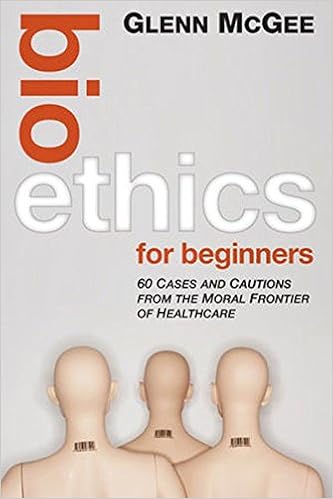

Bioethics for Beginners maps the giant dilemmas posed by new technologies and medical choices, using 60 cases taken from our headlines, and from the worlds of medicine and science. This eminently readable book takes it one case at a time, shedding light on the social, economic and legal side of 21st century medicine while giving the reader an informed basis on which to answer personal, practical questions. Unlocking the debate behind the headlines, this book combines clear thinking with the very latest in science and medicine, enabling readers to decide for themselves exactly what the scientific future should hold.
==


Pragmatist Bioethics in John Lachs’s Perspective: an Outline
09/01/2016 by Krzysztof Skowronski
Chris Skowroński, Opole University, Poland/Berlin Forum, Germany

There have always been controversies over the practicality of philosophy even when given authors claimed in their books and lectures that philosophy and ethics are vitally important for the members of the public. Yet not always have they been convincing in their claims. For some audiences, academic philosophers seem to stay closed within the university rooms and heard by hardly anybody else than the students and other professors. John Lachs (1934-) is serious when he demands that philosophers, especially the pragmatist philosophers, should go out of their lecture rooms and give something more substantial to the life of the community they have been living in.

Lachs has been able to produce his own way of practicing the practical version of pragmatist philosophy, and this is at least for two reasons. First, he insists that philosophers do not practice philosophy by merely talking, teaching and writing about practicality, but rather by engaging themselves in particular social matters, for example: by making their own lives exemplary, by being public intellectuals, by being effective in education, heard in political disputes, and – most interestingly for me now — by being instrumental for those who face tough existential dilemmas, ethical purposes, and bioethical choices. Second, he tries to link the pragmatic philosophy with some practical aspects of the Stoic philosophy — taken predominantly from the Late (Roman) Stoics and, to some degree, from George Santayana and other contemporary thinkers — to produce ‘stoic pragmatism’ as the title of one of his recent books announces (Stoic Pragmatism, 2012). I emphasize the term ‘practical’ because Lachs rejects the Stoics’ metaphysics (with the notions of fatum and providentia as deterministic factors) and the Stoics’ theology/cosmology (with the notions of logos and pneuma as divine factors). Instead, to the basic traits of this stoic component of Lachs’s pragmatism belong: searching for wisdom, creating a meaningful life as a singular task for each of us with the awareness of our self-limitations and the need of renunciation on some occasions; seeing philosophy as (self-) therapy that helps overcome personal crises or dealing with occasional depressions, and, finally, being ready to go away when the time has come due to the natural limitations of human nature... (continues)
==
 CDC abruptly cancels long-planned conference on climate change and health

With little warning or explanation, the Centers for Disease Control and Prevention recently canceled a major climate change conference that had been scheduled for next month in Atlanta.

The Climate and Health Summit, which had been in the works for months, was intended as a chance for public health officials around the country to learn more about the mounting evidence of the risks to human health posed by the changing climate. But CDC officials abruptly canceled the conference before President Trump’s inauguration, sending a terse email on Jan. 9 to those who had been scheduled to speak at the event. The message did not explain the reason behind the decision.

“Unfortunately, we are unable to hold the Summit in February 2017,” CDC officials wrote, adding that the agency is “currently exploring” whether it could reschedule the event later in the year.

[On White House website, Obama climate priorities vanish, replaced by Trump’s focus on energy production]

In a statement on Monday, the CDC did not offer any further explanation about the reasons for the cancellation, which was first reported by E&E News. The agency said only that it began notifying registered participants on Dec. 22 that the meeting had been postponed. It also said it was considering options for rescheduling the even “while considering budget priorities for the fiscal year 2017.” Officials noted the “potential overlap” with an American Public Health Association conference planned on the same topic later this year.

APHA’s executive director, Georges Benjamin — who was scheduled to be a keynote speaker at the CDC summit next month — said agency officials decided to preemptively call off the event, rather than risk running afoul of an incoming president who has repeatedly called climate change a “hoax” and has nominated climate change skeptics to his Cabinet.

“They ran it up the flagpole and realized that it was so close to the inauguration, the chances of it being canceled were pretty real with the administration that was coming in,” said Benjamin, whose organization was one of the summit’s promoters. “Some might argue they should have said, ‘We’re going to do this and make them tell us no.’ But that was the decision they made. We should think of this as a strategic retreat.”

[Climate change poses a severe risk to global health, says new report]

Another scheduled speaker, Edward Maibach, director of the Center for Climate Change Communication at George Mason University, argued that the summit should have gone forward, no matter who had just been sworn in as the next president. He said he fears the move will set a precedent of government officials self-silencing, in part over fears of reprisal or loss of funding, rather than standing behind the established science around climate change.


“I don’t know why they canceled the meeting, but I do know the meeting was important and should have been held. Politics is politics, but protecting the health of our citizens is one of our government’s most important obligations to us,” Maibach said in an email. “Climate change is bad for America, and bad for the world, in so many ways. One of these ways is that it is harming our health, already, and is likely to get much worse over the next few decades unless we take action. As the nation’s public health agency, we need CDC to be fully engaged in protecting our health from climate change.”

Evidence has continued to mount that climate change could pose major health risks to people around the world over the course of the 21st century.

A report published in the Lancet last year, which included 45 authors in Europe and China, found that aggressively tackling the problem of climate change could be “the greatest global health opportunity of this century,” but that not addressing the problem “threatens to undermine the last half century of gains in development and global health.”

[As the climate changes, risks to human health will accelerate, White House warns]


The Obama administration also viewed the problem as a serious threat, and the White House last year held its own summit on climate change and public health. The Obama White House also undertook multiple initiatives to highlight the links between climate and health, most recently issuing a 300-page report last summer that underscored how a warming climate could exacerbate major public health problems.

Among the threats: Millions more deaths caused by extreme heat. More frequent outbreaks of diseases transmitted by ticks and mosquitoes. Longer allergy seasons. Worsening air quality that could result in thousands more premature deaths each year from respiratory problems.

Benjamin said Monday that he hopes the CDC will reschedule the summit. But even if it doesn’t, he said his organization and other groups will continue to spotlight the ominous connections between the planet’s changing climate and threats to human health.


“We’re committed to making sure the nation knows about the effects of climate change on health,” he said. “If anyone doesn’t think this is a severe problem, they are fooling themselves.”

Read more at Energy & Environment:

These are the two environmental rules the Republican Congress is trying to kill first

The huge crack in this Antarctic ice shelf just grew by another 6 miles

America’s first ‘clean coal’ plant is now operational — and another one is on the way

==
Trump Revives Keystone Oil Pipeline That Obama Blocked

President Trump continued dismantling his predecessor’s policies by clearing the way for a project that stirred years of debate over the balance between energy production and preventing climate change.

Barack Obama rejected the proposed 1,179-mile pipeline in 2015, arguing that it would undercut American leadership in curbing the reliance on carbon energy.

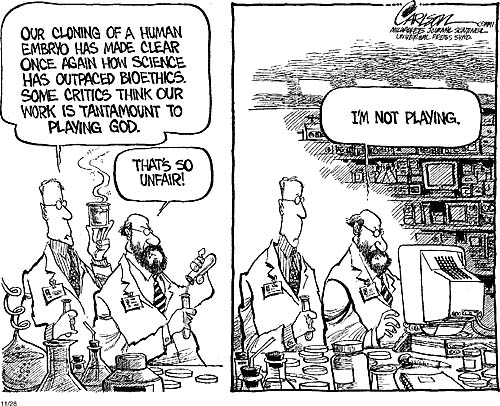
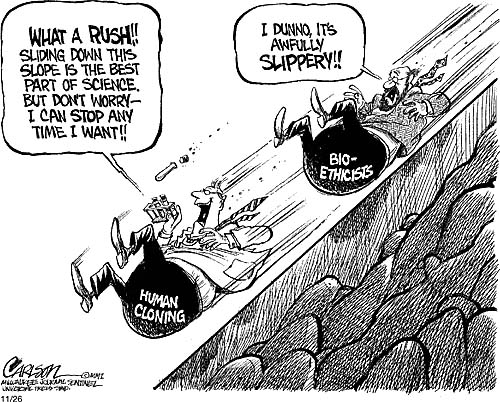
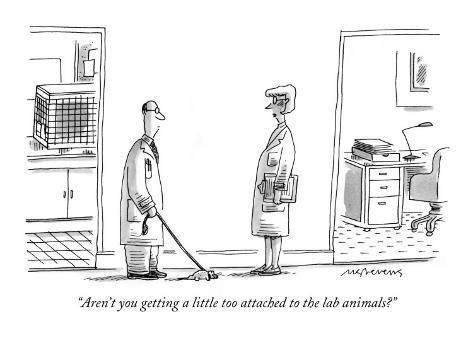
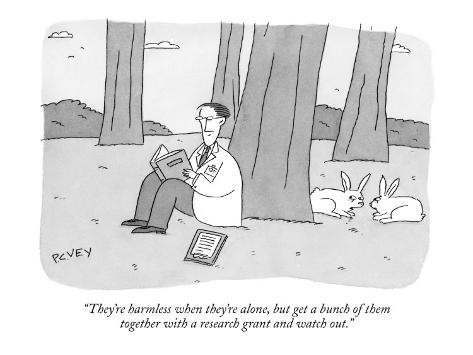
Bioethics humor-tests, pills, insurance...

Image result for bioethics cartoons new yorker

Image result for bioethics cartoons new yorker

Image result for bioethics cartoons new yorker

Image result for bioethics cartoons new yorker

Image result for bioethics cartoons new yorker

Thursday, January 17, 2019

Test

Test

The Feeding Tube Dilemma

In my recent research, I found an article on the use of feeding tubes in various, end of life or not so end of life, situations. The article was written by John Dunlap with the title “The Feeding Tube Dilemma: Key Questions”. Dunlap seemed supportive of temporary placement of feeding tubes post-surgery or when an individual has a treatable injury or illness. However, his sentiments about feeding tube use long-term brought into question whether the risk outweighed the benefits and what quality of life that individual would have.

Having a feeding tube placed is a surgical procedure which allows the food to go directly into the stomach, bypassing the mouth and esophagus. A more permanent reason one might have a feeding tube is if a person is unable to swallow due to illness, disease, or the lack of mental capacity, whether from a stroke, mental illness or developmental abnormality. Some of these individuals are mobile, while others spend their lives in bed.

Dunlap discussed the discomforts of feeding tubes and whether the complications outweigh the benefits. In my experience, the biggest reason a patient with a feeding tube is brought to the hospital is because they aspirated on tube feed or the site where the tube was placed has become infected, leading to sepsis, a potentially life threatening infection. If a patient has a feeding tube and strict precautions are not followed, individuals will acquire aspiration induced pneumonia leading to a lengthy hospital stay. Often times, as Dunlap mentioned in his article, patients with feeding tube nutrition will have chronic diarrhea. The hospital will treat the symptoms and send them home only to have them return weeks or months later with the same diagnosis.

On several occasions, I have had patients who are physically and/or mentally challenged, bedridden and live in group homes. Most group homes do not have the tools or training to handle the medical demands of a resident with complex health needs, especially when they have a feeding tube. This brings about the question of whether these individuals, who are absent of family and any financial means, should be left in facilities that are unable to care for them. However, if the feeding tubes were not placed, these individuals would die of malnutrition and starvation. If these individuals are unable to speak for themselves, who can advocate for them and make the decision on whether they will live with a feeding tube or die without one?

https://cbhd.org/content/feeding-tube-dilemma-key-questions

Wednesday, January 16, 2019

Quiz Jan 17

Our first daily quiz includes questions about keeping score (& hence is a little longer than usual), which we'll do every day to track and inspire participation. Write your answers down on a sheet of paper and bring it with you to class. Also post your own quiz & discussion questions, comments, relevant links etc.

1. Name two of the ways you can earn a base in our class. (See "course requirements" & other info in the sidebar & on the syllabus)

2. How many bases must you earn, for each run you claim on the daily scorecard?

3. How do you earn your first base in each class?

4. Can you earn bases from the daily quiz if you're not present?

5. How can you earn bases on days when you're not present?

6. What should you write in your daily personal log?

7. Suppose you came to class one day, turned on the computer/projector and opened the CoPhi site, had 3 correct answers on the daily quiz, and had posted a comment, a discussion question,  and an alternate quiz question before class. How many runs would you claim in your personal log and on the scorecard that day?

8. How many bases do you get for posting a short, relevant weekly essay of at least 250 words?

9. What are Dr. Oliver's office hours? Where is his office? What is his email address?
==
1.(T/F) Campbell's examples of bioethical questions include whether health care professionals must meet higher standards than businesspeople, the ethics of longevity via pharmacology, designer babies, human/animal hybrids, state paternalism, euthanasia, and environmental ethics.

2. Bioethics just means _______.

3. The _________ required that 'The health of my patient must be my first consideration.' (Hippocratic Oath, Geneva Code, British Medical Association, International Association of Bioethics)

4. What 40-year U.S. study denied information and treatment to its subjects?

5. What did Ivan Ilich warn about in Medical Nemesis?

6. Bioethics has expanded its focus from an originally narrower interest in what relationship?

7. Bioethics has broken free of what mentality?

8. (T/F) Campbell thinks caveat emptor is a good principle for governing the contractual clinical encounter between doctor and patient.

9. Do descriptive claims settle evaluative issues?

10. Name a bioethical website Campbell recommends.
==

*Some possible Discussion Questions (DQs) - after the quiz we'll select one to kick off a brief class discussion followed by longer group discussion, which some of us may wish to do peripatetically, in the corridors if not out in the chill:

  • Are there any important bioethical issues you think Campbell has neglected to mention in ch.1? 
  • What do you see as the connection between bioethical and environmental issues? 
  • Do you agree that we have "over-medicalized" human experience? 
  • Is there anything wrong with "medical tourism"? 
  • Do you agree that the doctor-patient relationship is NOT "a straightforward provider-consumer relationship? Why or why not? 
  • Etc. etc. - submit your DQ suggestions in "comments" below.

As noted in class:

“When Breath Becomes Air,” Paul Kalanithi’s memoir of his final years as he faced lung cancer at age 37, was published posthumously, in 2016, to critical acclaim and commercial success. “The Bright Hour,” Nina Riggs’s memoir of her final years as she faced breast cancer at age 39, was published posthumously, in 2017, to critical acclaim and commercial success. The two books were mentioned together in numerous reviews, lists and conversations.

Perhaps less inevitable was that the late authors’ spouses would end up together, too.

“I’m still surprised,” said Lucy Kalanithi of her relationship with Nina Riggs’s widower, John Duberstein. “I’m surprised by how ridiculous it is and how natural it is at the same time.”

Sitting across the kitchen table from Lucy last week at her home, John agreed. “Everything seemed almost bizarrely to fit,” he said. “It was kind of stunning.”

The story of Lucy Kalanithi and John Duberstein is both unlikely and destined, the stuff of a rom-com. It begins, tragically, on a deathbed... (WaPo, continues)
==
GLOBAL HEALTH
How the Response to Zika Failed Millions

One year after the W.H.O. declared a public health emergency, experts reflect on the response to the virus and find many aspects wanting.
==
The Stem-Cell Revolution Is Coming — Slowly
==
Health Law Repeal Could Cost 18 Million Their Insurance, Study Finds

The Congressional Budget Office said 18 million people would lose their insurance in the first year, with that number and costs rising over 10 years.
==
Physician Aid in Dying Gains Acceptance in the U.S.
==
In Cancer Trials, Minorities Face Extra Hurdles
==
The G.O.P.’s Health Care Death Spiral

A repeal-and-delay of Obamacare would be a “total disaster” for the individual insurance market.
==
Fear Spurs Support for Health Law as Republicans Work to Repeal It

Thousands of people are speaking out in support of the Affordable Care Act by sharing testimonials with Congress and holding rallies across the country.

==
A Deliberate End
Judith Katherine Dunning had been waiting anxiously for California to adopt legislation that would make it legal for her to end her life. The cancer in her brain was progressing despite several rounds of treatment. At 68, she spent...
==
The Conversation Placebo
Communication between doctor and patient is one of the best treatment tools we have. And we’re not using it.

Sunday, January 13, 2019

Introductions

We begin with an invitation: tell us who you are, and why you're here. We'll introduce ourselves in class and online (hit "comments" below). I'll start.

I'm the prof for this course, PHIL 3345, Bioethics. I hold degrees from the University of Missouri and Vanderbilt, and I'm here because the ethics of life and death is at the very heart of what philosophy, defined as the love of (and quest for) wisdom, is about. I'm still here in middle Tennessee, after relocating for Grad School, because I met my wife here and decided to stay. Our eldest daughter graduated in another state two years ago. Our youngest daughter is a sophomore at another university, currently majoring in Biology.

I also teach courses on Atheism, Environmental Ethics, and Happiness, among others. My favorite philosopher is William James (1842-1910), who once advised a friend: "Keep your health, your splendid health. It's worth all the truths in the firmament." I wrote a book about his philosophy. Let me know if you want to buy or borrow it.

I love the peripatetic approach to philosophy (and to life), maybe we'll try it if enough of you are game.

I am smitten with our two rescue dogs (since May) Nell and Pita. Nell loves everyone, Pita's a skeptic about human intentions (including those of Older Daughter, who understandably calls her Demon Dog).

Enough about me.

Who are you? Why are you here? (Bear in mind, as you reply, that this is an open site. There's nothing preventing the world from reading what we post here, except of course the world's own distraction.)

Wednesday, January 2, 2019

What a French Doctor’s Office Taught Me About Health Care

I moved to Europe because I couldn’t afford to be a cancer patient in America. I’d rather have been able to stay home.

TOURS, France — A dozen of us sit expectantly in the orthopedic surgeon’s waiting room. We’re here for follow-ups. Some, like me, have had bunions removed. Others have had hips or knees replaced. Most are older women.

The copies of Paris Match and Le Monde on the table are at least six months old. The only artwork is a framed print of Claude Monet’s “Poppy Fields Near Argenteuil.” Since I’m only two weeks out from surgery and can’t drive, I came by taxi. The fare was underwritten by the French social security system, known familiarly as la Sécu, which also provides health insurance for all residents.

The woman seated opposite me tells me she’s on her second bunion surgery. Her doctor, a top orthopedic surgeon, charges more than the normal Sécu compensation, as do many specialists. Most French people purchase a supplementary insurance plan to cover costs not picked up by la Sécu. As a French resident and taxpayer, I have one too.

Another woman is recovering from a hip replacement. Medical chat is common in French waiting rooms. If the wait is long, everyone comes to know everything about one another’s complaints.

To my friends in the United States, this casual attitude seems foolish, even risky. But in France, medical privacy is irrelevant. No one will lose her job because of a lengthy convalescence. There is no possibility that pre-existing conditions will make insurance unaffordable. Unemployed people still receive treatment. Huge medical bills do not reduce ordinary citizens to a state of existential terror.

The absence of unease over health care alters the texture of French experience. We get cozy in waiting rooms... (continues)

Monday, December 31, 2018

In Rehab, ‘Two Warring Factions’: Abstinence vs. Medication

Lead story on p.1 of Sunday's New York Times:

A reluctant evolution is taking place in residential drug treatment for opioid addiction. Here’s a look at one center’s wary shift.

MURFREESBORO, Tenn. — Just past a cemetery along a country road, an addiction treatment center called JourneyPure at the River draws hundreds of patients a month who are addicted to opioids and other drugs. They divide their days between therapy sessions, songwriting, communing with horses and climbing through a treetop ropes course. After dinner, they’re driven into town in white vans for 12-step meetings.

It is a common regimen at residential treatment programs, but as the opioid epidemic persists, JourneyPure is evolving. Though its glossy website doesn’t mention it, the company is ramping up its use of medications to blunt the torturous withdrawal symptoms and cravings that compel many with opioid addiction to keep using. There is substantial evidence backing this approach, which is supposed to be used in tandem with therapy. But because two of the three federally approved medicines are opioids themselves, it is spurned by people who believe taking drugs to quit drugs is not real recovery.

Addiction experts say such resistance is obstructing efforts to reduce overdose deaths and help addicted Americans get their lives back on track, even as many drain their savings or go into debt paying for repeated stints in residential rehab. Two-thirds of the patients admitted to JourneyPure’s program here over the last three months said it wasn’t their first time in treatment.

“I’m watching the dominoes fall on our industry,” said David Perez, JourneyPure at the River’s new chief executive, who has helped lead the push toward using more medication-assisted treatment. “People are dying, and we are feeling more and more impotent to stop it. That is what’s shifting beliefs, more than anything.” (continues)
==
Reader responses

Thursday, December 27, 2018

Training the Next Generation of Doctors and Nurses

For decades, medical education has followed a timeworn path — heaps of book learning and lectures, then clinical rotations exposing students to patients.

But as technology explodes into patient care (surgeons can preview operations using virtual 3-D images built from a patient’s scans), the gap between medical education and real-world care has “become a chasm,” said Marc Triola, director of N.Y.U. Langone’s Institute for Innovations in Medical Education, created in 2013 to address the issue.

“The health care delivery system is changing every day,” he said, “and our medical education system has been lagging.”

In what looks like an urgent game of catch-up, medical and nursing schools across the country are retooling how and what they teach. This is also getting a boost from concern about the looming shortage of primary caregivers.

While “the national narrative is that we need more” doctors and nurses, said Erin Fraher, director of the Carolina Health Workforce Research Center, “that is precisely the wrong way to frame this. The question has to be: Where are the places in the U.S. where patients cannot get access to diabetes care, access to prenatal care?”

Those questions are redesigning health care education, with more community-based clinic rotations, special programs (and scholarships) for rural and underserved students, and a greater role for nurses and nurse practitioners. As schools seek to make learning more efficient, technology — including virtual reality, augmented-reality software and high-fidelity simulations (mannequins “breathe,” cry, sweat and respond to medication) — is a big part of that.

And it must be, given that students have to learn more information, faster. Much of medicine is slow; you can’t shortcut taking a medical history. But visiting the pathology lab to study a colon sample?

This is where Greg Dorsainville, a multimedia developer and one of 28 full-time staff members in the N.Y.U. institute, steps in, using a 360-degree camera to film a 45-minute session with a pathologist. He cut the lesson to 5:46, time that a medical student can spare to don goggles, zoom in and see what a polyp actually looks like, making it something to be remembered as “a visual in their mind. It’s not just a concept.”

Thursday, December 20, 2018

Aging


  1. Undoing Aging 2019 announces Program and Speakers! Undoing Aging is focused on the cellular and molecular repair of age-related damage as the basis of therapies to bring aging under full medical control. It brings together scientists and...

  • Every Third Thought: On Life, Death, and the Endgame (McCrum) "This is a deeply personal book of reflection and conversation – with brain surgeons, psychologists, hospice workers and patients, writers and poets, and it confronts an existential question: in a world where we have learnt to live well at ..."

Monday, December 17, 2018

Image result for new yorker healthcare cartoons
More...

Dr. Google Is a Liar

Fake news threatens our democracy. Fake medical news threatens our lives.
It started during yoga class. She felt a strange pull on her neck, a sensation completely foreign to her. Her friend suggested she rush to the emergency room. It turned out that she was having a heart attack.

She didn’t fit the stereotype of someone likely to have a heart attack. She exercised, did not smoke, watched her plate. But on reviewing her medical history, I found that her cholesterol level was sky high. She had been prescribed a cholesterol-lowering statin medication, but she never picked up the prescription because of the scary things she had read about statins on the internet. She was the victim of a malady fast gearing up to be a modern pandemic — fake medical news.

While misinformation has been the object of great attention in politics, medical misinformation might have an even greater body count. As is true with fake news in general, medical lies tend to spread further than truths on the internet — and they have very real repercussions.

Numerous studies have shown that the benefits of statins far outweigh the risks, especially for people at high risk of heart disease. But they have been targeted online by a disparate group that includes paranoid zealots, people selling alternative therapies and those who just want clicks. Innumerable web pages and social media posts exaggerate rare risks and drum up unfounded claims, from asserting that statins cause cancer to suggesting that low cholesterol is actually bad for health. Even stories simply weighing the risks versus benefits of statins, a2016 study found, were associated with patients’ stopping the cholesterol-lowering drugs — which is associated with a spike in heart attacks... (continues)

Thursday, December 6, 2018

Why Scientists Are So Upset About the First Crispr Babies

A rogue researcher defied myriad scientific and ethical norms and guidelines...


A Chinese scientist recently claimed he had produced the world’s first gene-edited babies, setting off a global firestorm. If true — the scientist has not yet published data that would confirm it — his actions would be a sensational breach of international scientific conventions. Although gene editing holds promise to potentially correct dangerous disease-causing mutations and treat some medical conditions, there are many safety and ethical concerns about editing human embryos.

Here are answers to some of the numerous questions swirling around this development.
What happened?

The scientist, He Jiankui, said he used Crispr, a gene-editing technique, to alter a gene in human embryos — and then implanted the embryos in the womb of a woman, who gave birth to twin girls in November.

That is illegal in many countries, including the United States. China has halted Dr. He’s research and is investigating whether he broke any laws there. Among the concerns are whether the couples involved in Dr. He’s research were adequately informed about the embryo editing and the potential risks involved.

Dr. He says he has submitted his research to a scientific journal. But nothing has been published yet, and he announced the births of the twins before his research could be peer-reviewed by fellow scientists. He also appears to have taken other secretive steps that defy scientific standards... (continues)

Saturday, October 13, 2018

Bioethics, Spring 2019

Returning to MTSU, January 2019-
PHIL 3345,
Dr. Phil Oliver-Office hours TTh 11:15-12:45 & by appt.
TTh 4:20-5:45 pm, James Union Building (JUB) 202
Supporting the philosophical study of bioethics, biomedical ethics, biotechnology, and the future of life, at Middle Tennessee State University and beyond... "Keep your health, your splendid health. It is better than all the truths under the firmament." William James
===

Our anchoring theme: the psychological and social dimensions of medicine and the life sciences from birth to death, with a special emphasis this semester on the “biopolitics” of new and emerging biotechnologies such as assisted reproduction, human genetic modification, and DNA forensics.”

Texts 2019. We’ll begin with these texts:

  • Bioethics: The Basics (Campbell) ”...the word ‘bioethics’ just means the ethics of life…” 
  • Beyond Bioethics (Obasogie) “Bioethics’ traditional emphasis on individual interests such as doctor-patient relationships, informed consent, and personal autonomy is minimally helpful in confronting the social and political challenges posed by new human biotechnologies…” 
Each student will also choose and report on an additional relevant text, thus enabling us to extend our study of the field by “crowd-sourcing” many more of the crucial issues it raises.

For more info contact phil.oliver@mtsu.edu, or visit http://bioethjpo.blogspot.com/

Saturday, October 6, 2018

The Comforting Fictions of Dementia Care

Many facilities are using nostalgic environments as a means of soothing the misery, panic, and rage their residents experience. [But is it okay to further deceive dementia patients about reality?]

The large central room of the memory-care unit was designed to look like an old-fashioned American town square. There was a small fountain, surrounded by plants and a low stone wall; there were a couple of lampposts, and benches, tables, and chairs set about. The carpet was mottled with darker and lighter shades of green, to resemble grass growing and bending in different directions. Along the walls were the façades of what looked like clapboard houses, with wooden shutters and shingled pitched roofs and porches that extended into the room. Two long hallways, which led off from opposite sides of the central room, looked like streets in the same town, with more clapboard façades and porches on either side. These façades were not altogether fake: each front door opened onto a suite of small rooms—living room, bedroom, bathroom—that was a resident’s home.

Some of the porches had rocking chairs that you could sit in and watch people go by. Many of the residents were quite restless, and there was nowhere else to go, so people did walk by fairly often. Daylight came in through high windows just below the ceiling, and the ceiling itself consisted of bright light panels painted to look like a blue sky dotted with clouds. In the evening, as it began to grow dark outside, lights on the porches came on. Sometime later, the street lamps were lit; and finally, around eight o’clock, the ceiling sky was switched off, so that the unit came to look like a small-town street at night.

The illusion was surprisingly effective. While the central area didn’t feel like outdoors, exactly, it didn’t feel like a room, either—it was halfway between the two, at once enclosed and public. People who spent time there found themselves referring to the hallways as streets, and the suites as houses. And although the unit was conceived as a kind of nostalgic stage set, a harkening back to an America of eighty or ninety years ago, when many of its residents were children, in fact it looked much like the town outside: Chagrin Falls, Ohio, in the Chagrin Valley just east of Cleveland, a town of clapboard houses with wooden shutters and shingled pitched roofs and rocking chairs on the porches.

The impression that the unit was outdoors and public was all the stronger because the people who gathered each day in the central room had no common purpose or shared understanding of what they were doing there. Some knew that they had come to live in the memory-care unit because they could no longer manage living on their own: they could no longer drive, or they tended to forget their medication or leave the stove on, or if they went for a walk they might get lost. Some knew that they were in a memory-care unit but didn’t believe they needed to be there and tried to get out. Others did not know where they were, or knew sometimes but not at other times, or else seemed to have reached a point at which the question of where they were was no longer important.

The staff tried to keep the residents busy. They played hangman and trivia and bingo and beanbag toss. They performed stretching exercises and cognitive exercises every morning. There was Bible study and crafts and manicures each week. They watched Indians games on TV in the summer, and Cavaliers and Browns games in the fall. Elsewhere in the facility, there was an artificial main street, with a library, a gift shop, a beauty salon, a chapel in which services were held on Sundays, and a couple of faux storefronts—an oil company, a hardware store. Sometimes the residents were taken on outings—picnics or fishing at a nearby lake—and sometimes relatives came to take them to lunch, but most of the time the clapboard streetscape of the memory-care unit was their world.

The streetscape at the Lantern, the home at Chagrin Valley, is particularly encompassing and detailed, but comforting fictions—scenery, props, and other simulations—are employed in many homes for people with dementia. Some nursing homes offer their residents realistic vinyl baby dolls, along with diapers, bottles, and clothes. Some residents grow so attached to the dolls that it seems they believe they are real babies, although it is difficult to tell. Many people become visibly calmer when they are holding the dolls; but some relatives and staff find the dolls demeaning, and wonder whether it’s possible not to infantilize a person who is cuddling a toy baby.

People with dementia often ask to go home. Some ask even if they’re still in the house they’ve lived in for years; but people in institutions can ask many times a day. Telling a person in an institution that they live here now, that this is their permanent home, is usually neither comforting nor convincing, so, to address this problem, many nursing homes and hospitals have installed fake bus stops. When a person asks to go home, an aide takes them to the bus stop, where they sit and wait for a bus that never comes. At some point, when they are tired, and have forgotten what they are doing there, they are persuaded to go back.

Some years ago, a company in Boston began marketing Simulated Presence Therapy, which involved making a prerecorded audiotape to simulate one side of a phone conversation. A relative or someone close to the patient would put together an “asset inventory” of the patient’s cherished memories, anecdotes, and subjects of special interest; a chatty script was developed from the inventory, and a tape was recorded according to the script, with pauses every now and then to allow time for replies. When the tape was ready, the patient was given headphones to listen to it and told that they were talking to the person over the phone. Because patients’ memories were short, they could listen to the same tape over and over, even daily, and find it newly comforting each time. There was a séance-like quality to these sessions: they were designed to simulate the presence of someone who was merely not there, but they could, in principle, continue even after that person was dead... (continues)

Larissa MacFarquhar, New Yorker


Monday, October 1, 2018

First I Met My Children, Then My Girlfriend

A former sperm donor, searching online, finds both offspring and love.

I didn’t meet my girlfriend, Jessica, until 12 years after our daughter, Alice, was born.

Let me explain. Nearly 25 years ago, I returned from a year of teaching English abroad, moved in with my mother and, lacking prospects, began driving a cab. One day I saw a newspaper ad seeking healthy men, 18 to 35, to participate in a semen donation program.

“Donors” is the standard industry word, yet virtually all of us are paid. Forty dollars a pop was what I received in 1994.

I applied to sell my sperm and sold twice weekly for a year. At the time I was in a long-distance relationship, so this seemed like a good outlet. When I told my mother, she presciently wondered aloud if this was the only way she was going to have grandchildren.

Today, sperm buyers view detailed profiles for potential vendors, whereas I wasn’t asked to provide much beyond college major, hobbies and family health history. Jessica and her partner at the time chose me primarily because I was a writer and musician... (continues)